

10 Things Every Hiker Should Know.
6 min read
May 20, 2026
Lessons the Trail Will Eventually Teach You
Experience is the best teacher in hiking, but some of its lessons are expensive ones. Knowing these ten principles before you head out saves you from the most common mistakes and makes every subsequent hike smarter.
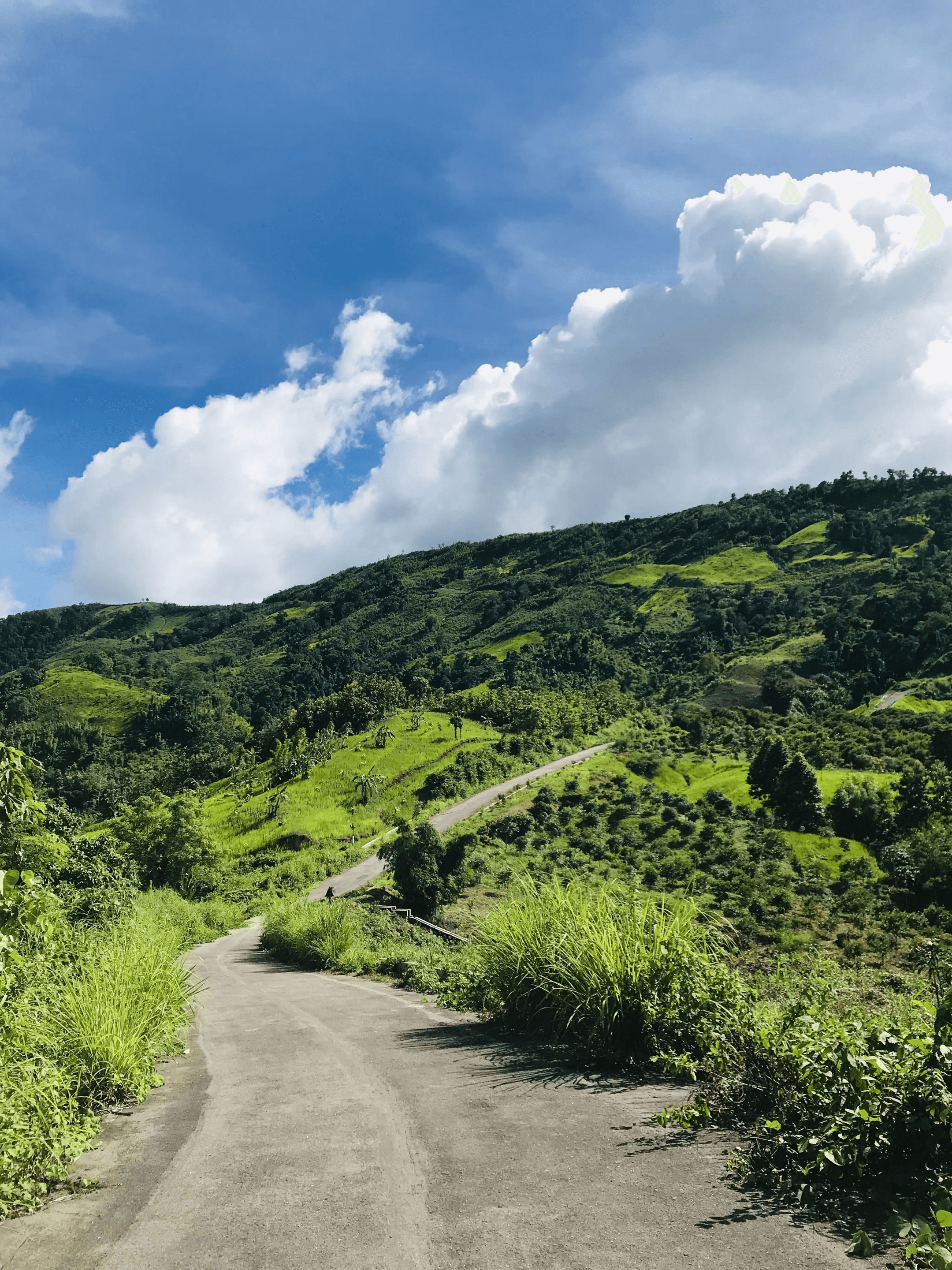
These aren't rules invented in a classroom — they're observations from years of trail experience across Bangladesh's hill terrain and beyond.

The Physical and Mental Fundamentals
Weather changes fast in the hills. Clear skies at the trailhead don't guarantee clear skies at the summit. Always pack for conditions worse than the forecast — especially in Bangladesh where afternoon convective storms can develop within hours.
Water weighs more than you think. Plan your water around distance and heat, not habit — running low halfway through a hot climb is one of the most common beginner mistakes. Each litre of water weighs 1 kg; plan accordingly, and refill at every safe water source.
Downhill is harder on your body than uphill. Descents put more strain on knees and ankles than climbs. Trekking poles and a slower pace on the way down prevent most overuse injuries. If your knees hurt on descents, shorten your stride and bend them more.
The trail always takes longer than expected. Build in extra time for breaks, photos, and slower sections. Starting early gives you a buffer if anything takes longer than planned. The golden rule: estimate your time and add 50%.
Navigation and Practical Wisdom
Junctions are where hikers get lost. At every trail junction, stop and confirm your direction before moving on. If you're unsure, go back to the last point where you were certain rather than guessing.
Your most important safety device is communication. Tell someone your route, your expected return time, and who to call if you're not back. This costs nothing and saves lives.
Blisters are preventable. Moleskin on known pressure points before you set off, correct sock choice, and properly fitted shoes eliminate blisters before they start. Once a blister opens on the trail, each step becomes a painful negotiation.

On Nature, Ethics, and Community
Leave no trace. Everything you carry in must come out. Bangladesh's natural landscapes are under real pressure from unmanaged tourism; each hiker who packs out their waste actively contributes to keeping trails clean and accessible.
Local communities sustain the trails. Buy food from village guesthouses, hire local guides, and respect requests to not photograph certain areas. The trails exist within living communities and should be treated as such.
The best hiking experience is a returning one. Every trail teaches you something — about the terrain, about yourself, and about what you'll do differently next time. Keep a hiking journal. Track your routes, conditions, and lessons. Review it before your next hike. The improvement is faster than you expect.
Share: