

Staying Hydrated on Long Treks.
5 min read
August 5, 2026
Dehydration in the Hills
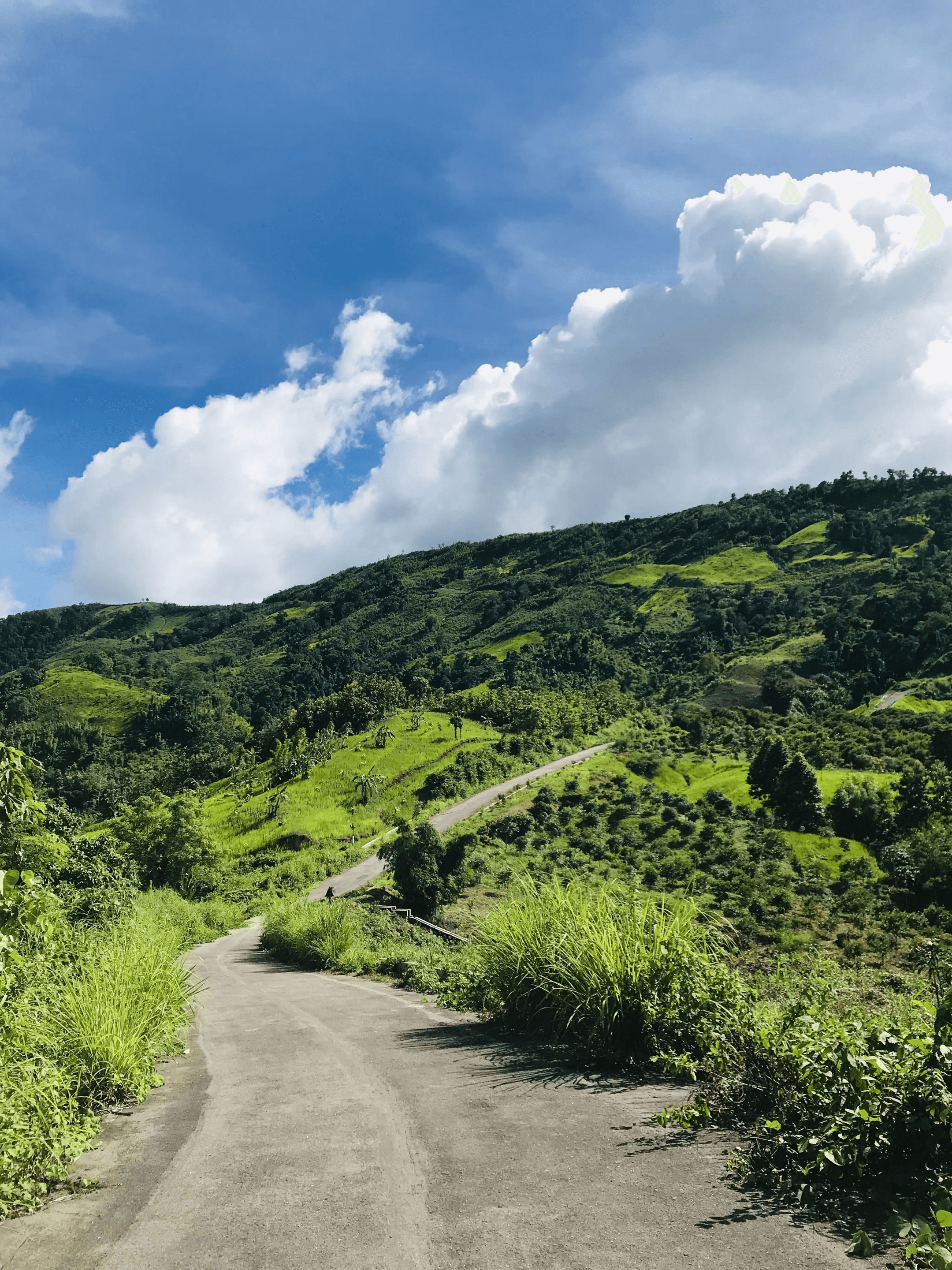
Dehydration is the most common performance-reducing and potentially dangerous condition on Bangladesh's hill trails. The combination of physical exertion, high humidity, and temperatures that can reach 35°C on lower forest sections creates significant fluid loss — often before the hiker feels thirsty.
Thirst is a late indicator of dehydration. By the time you feel thirsty in hot conditions, you're already marginally dehydrated and your physical performance has begun to decline.
How Much Water Do You Actually Need?
A reasonable baseline for a full day's hiking in warm conditions is 500 ml per hour of active hiking. A 6-hour hike in Bandarban's summer heat might require 3–4 litres. This figure increases with temperature, altitude, and individual sweat rate.
Don't wait until you're thirsty to drink. Sip regularly — 100–200 ml every 20–30 minutes keeps your hydration stable without the sloshing discomfort of drinking large amounts infrequently.
Electrolytes matter as much as water volume on longer treks. Sweating depletes sodium, potassium, and magnesium. Oral rehydration salts, electrolyte tablets, or even a small amount of added salt in your water prevent the headaches and muscle cramps that pure water overconsumption can cause.
Water Sources on the Trail
Natural water sources exist on most Bangladesh hill trails — streams, springs, and river crossings are common. Treat all natural water before drinking. Water purification tablets or a compact filter (Sawyer Squeeze or similar) are lightweight and reliable. Boiling is effective but fuel-intensive on longer routes.
Village guesthouses along the Bandarban routes typically provide boiled or filtered water. Budget for this — guesthouse water is cheap and eliminates the need to treat trail sources.
Signs of Dehydration — and What to Do
Dark urine is the clearest indicator of dehydration. Aim for pale yellow to clear urine throughout the day. Dark amber or orange urine requires an immediate increase in fluid intake and, if accompanied by dizziness or confusion, signals that you should stop hiking and rest in shade.
Mild dehydration is recoverable with rest and fluids. Severe dehydration — characterised by extreme thirst, no urine output for several hours, rapid heartbeat, and confusion — is a medical emergency. Signal for help and initiate evacuation if these symptoms appear.
Share: