

How to Choose the Right Hiking Shoes.
6 min read
July 3, 2026
The Single Most Important Piece of Kit
Your feet carry you up every hill and back down every descent. Get the shoes wrong and every other preparation you've made becomes irrelevant. Bangladesh's trail surfaces range from soft forest soil to wet clay slopes, rock scrambles, and paved pilgrimage paths — each type demands different shoe characteristics.
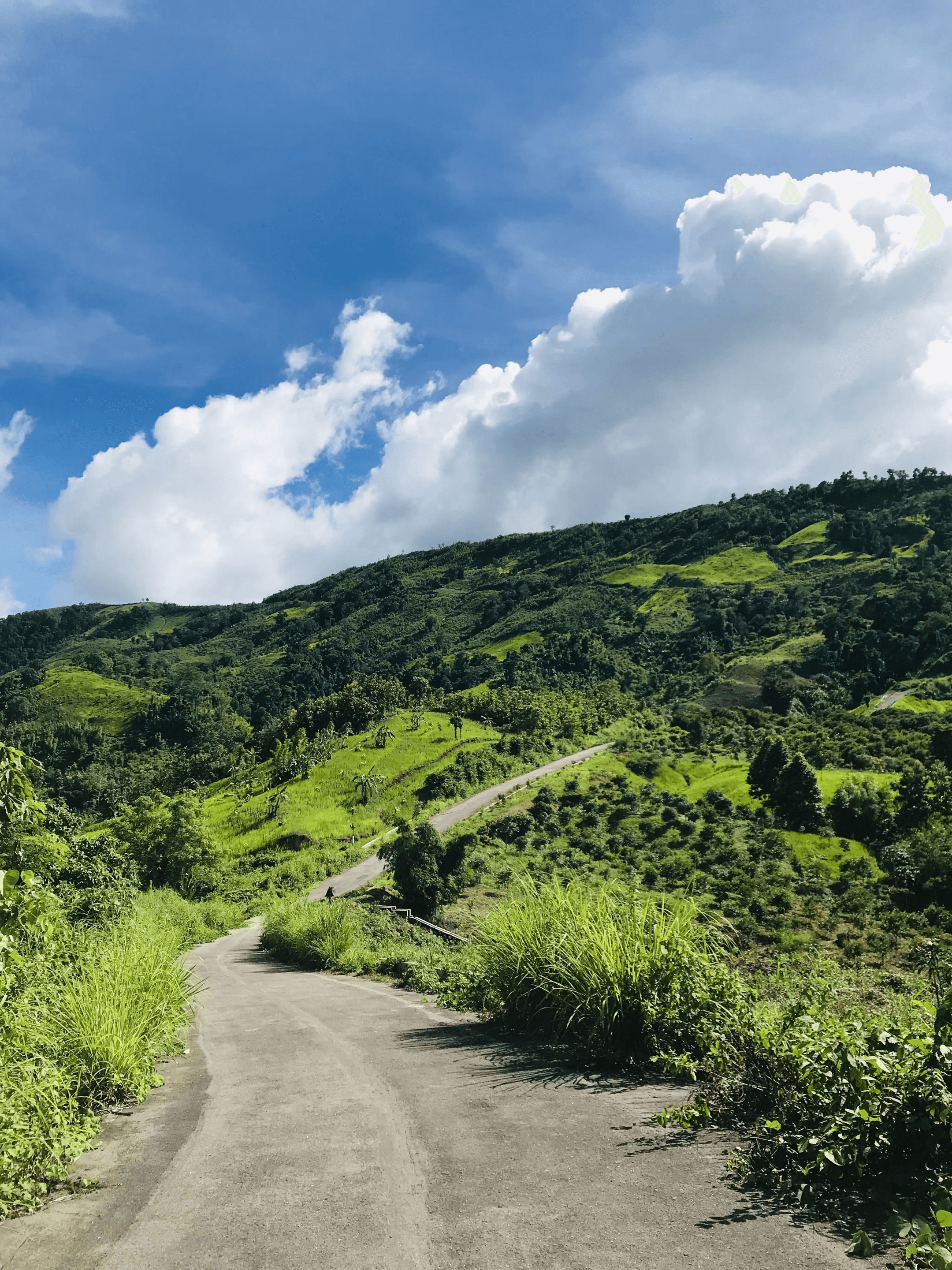
Hill trails in Bandarban and Sylhet demand different support than a flat forest walk. Rocky, uneven ground calls for stiffer soles and ankle support, while shorter, well-maintained paths are fine in a lighter trail shoe.
Match the Shoe to the Terrain
For short, accessible trails like Madhabkunda or Nilachal, a well-fitted trail runner with decent grip is all you need. They're light, dry faster after river crossings, and comfortable on both ascent and descent.
For multi-day routes in Bandarban — Saka Haphong, Tazingdong, or the Nafakhum trek — consider a mid-cut or high-cut hiking boot with a rigid midsole. The ankle support matters on loaded descents when your legs are tired, and the stiff sole protects your feet on loose rock.
For monsoon trekking, prioritise waterproofing and tread depth over every other consideration. A GORE-TEX lining with Vibram outsole keeps you sure-footed and dry. After extended immersion, even 'waterproof' shoes will eventually soak through, but they buy you critical hours of comfort.
Fit Matters More Than Brand
A half-size up from your regular shoe size gives your toes room on long descents. Without that room, your toenails bang the front of the shoe on every downhill step, causing bruising and eventually lost nails — one of the most common hiking injuries and entirely preventable.
Try shoes on with the socks you'll actually hike in. Hiking socks are thicker than everyday socks, and a perfect fit in regular socks can feel uncomfortably tight on the trail. Merino wool socks regulate temperature, reduce odour, and resist blisters better than synthetic alternatives.
Walk a slope in the store if you can. Your heel should not lift in the shoe; if it does, the shoe will cause blisters on every descent. A good salesperson should be able to identify fit issues; if they can't, find another shop.
Waterproofing and Grip
Look for a deep, multi-directional tread for wet clay and loose gravel. A waterproof or water-resistant upper keeps your feet dry through morning dew and light rain without needing a full boot.
Test the grip on a wet tile in the shop. Vibram, Contagrip, and similar proprietary rubber compounds are measurably better on wet surfaces than cheaper alternatives. The difference is immediately noticeable on Bangladesh's muddy hill trails.

Break Them In Before the Trek
Never wear brand-new shoes on a long hike. Walk a few short trails first to let the material soften and to catch any hot spots before they turn into blisters on a longer route.
Three or four short walks in your new shoes — to the market, around the neighbourhood, up a local hill — are enough to identify pressure points. Address them early with moleskin, heel inserts, or different lacing patterns before they become trail emergencies.
Share: