

Photography Tips for Trail Hiking.
5 min read
August 8, 2026
The Challenge of Trail Photography
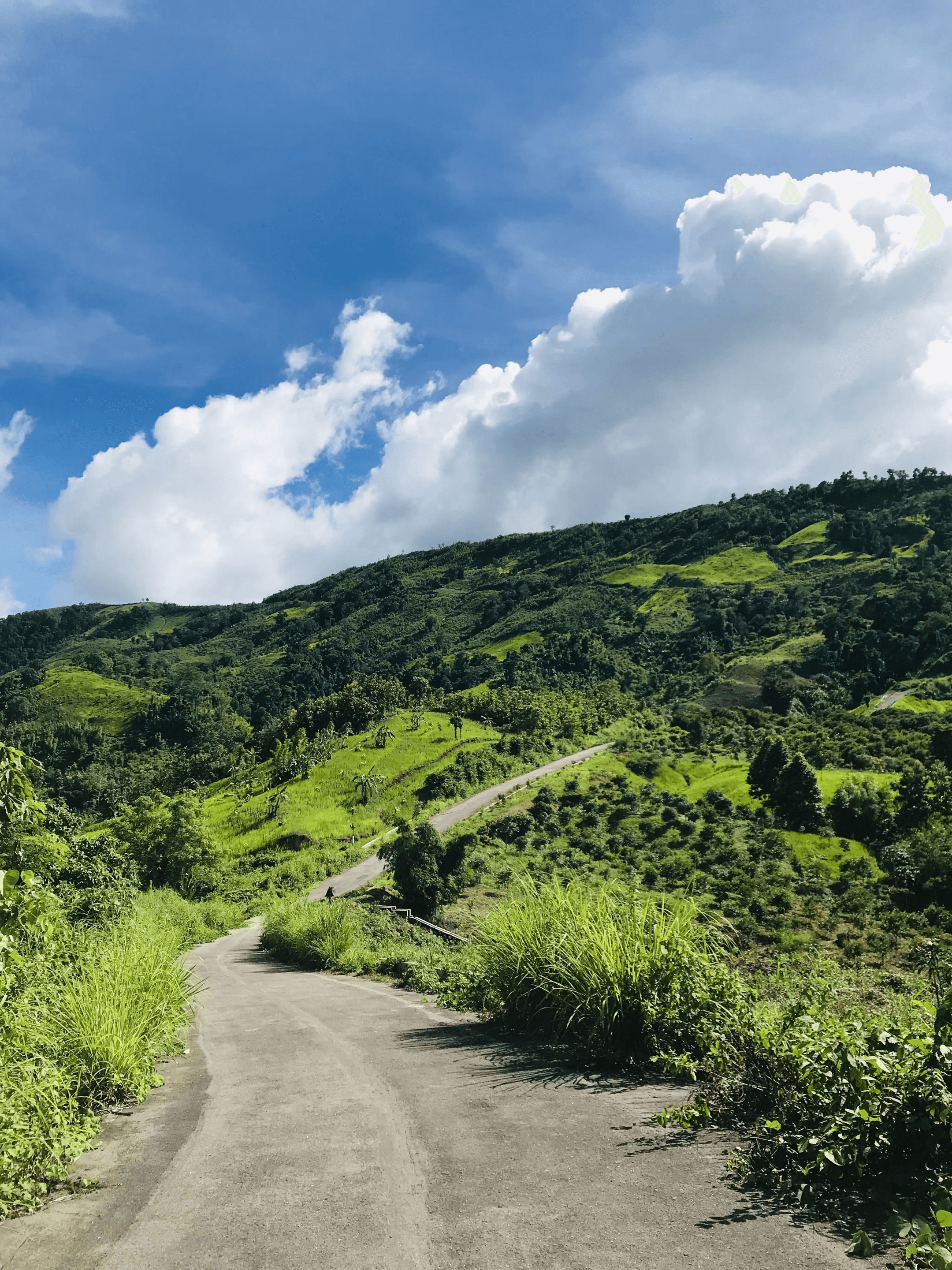
Trail photography in Bangladesh's hill terrain demands balancing weight, durability, and image quality under conditions that are simultaneously beautiful and hostile to equipment: high humidity, sudden rain, muddy trails, and the physical demands of carrying a camera on a multi-day trek.
The best trail photos aren't necessarily taken with the best equipment — they're taken by photographers who understand light, composition, and timing well enough to capture the trail authentically.
Gear That Works on the Trail
A mirrorless camera with a single versatile zoom lens (something like a 24-105mm equivalent) covers the majority of trail situations without unnecessary weight. If you're committed to the best possible images and willing to carry the weight, add a wide-angle prime for landscapes and a telephoto zoom for wildlife.
Weather sealing matters more than sensor size on Bangladesh's trails. A waterproof camera body or a rain cover for your camera bag is non-negotiable in the hill regions where rain arrives without warning.
For most hikers, a recent smartphone with a good camera is an entirely adequate choice. The computational photography in modern phones handles the high-contrast situations of hill hiking (bright sky, dark forest floor) remarkably well, and the weight saving over a dedicated camera is significant on a multi-day pack.
The Best Light — and When to Find It
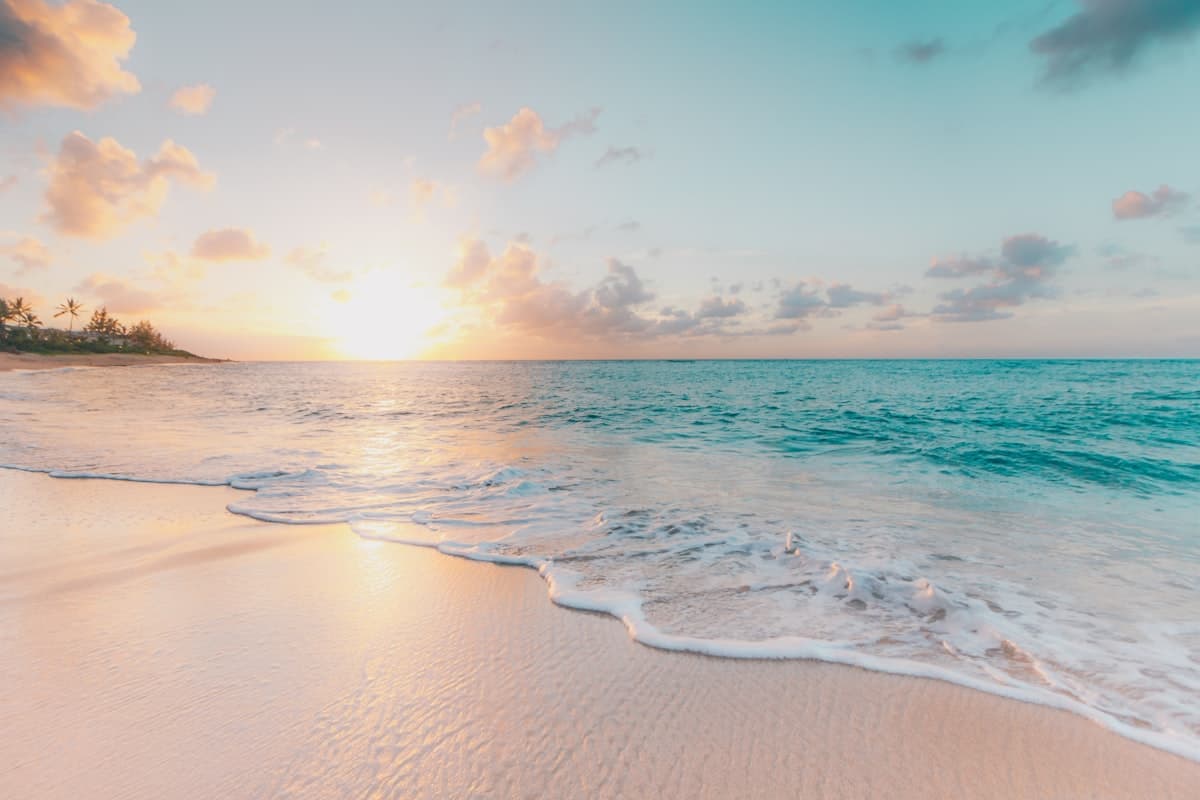
Golden hour (the hour after sunrise and before sunset) produces the warmest, most dimensional light on hill terrain. Plan your positions around these windows — the Nilgiri ridge at sunrise, Boga Lake at dawn, or the Nafakhum cascade in the soft late-afternoon light.
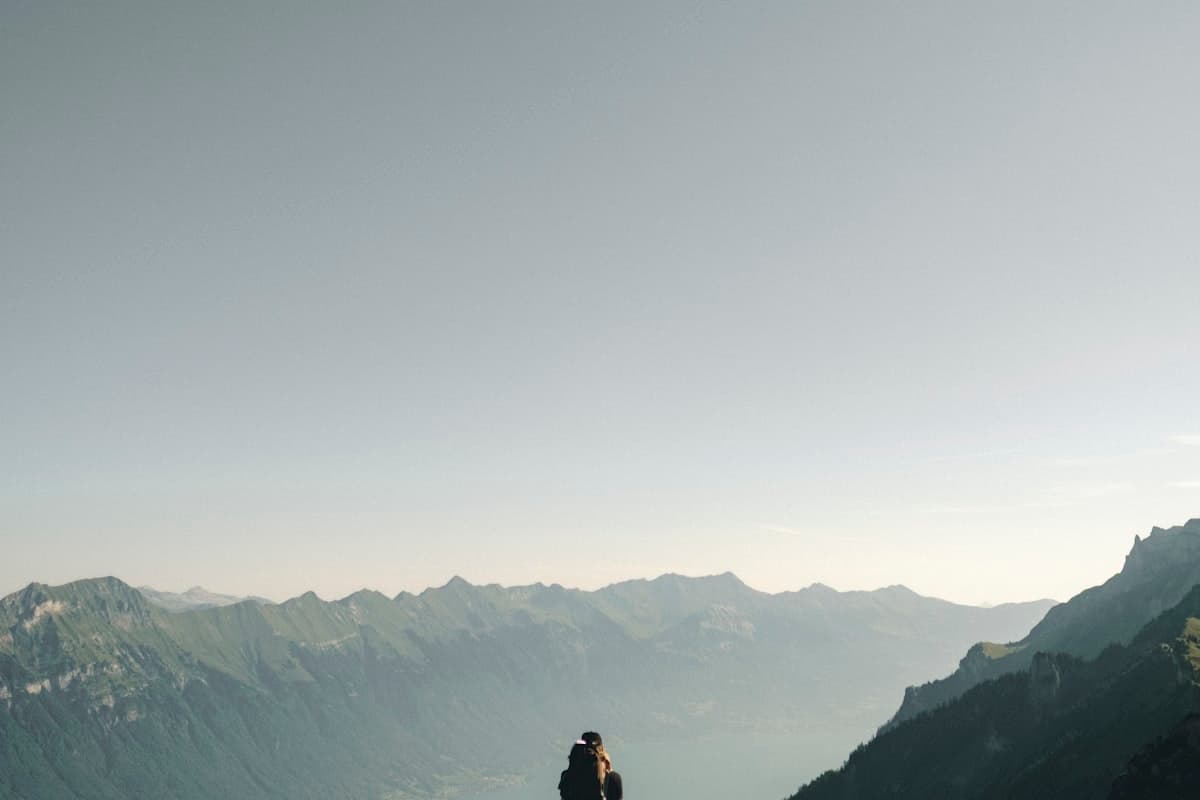
Mist and cloud aren't obstacles to photography — they're mood. The cloud-sea views from Sajek and Nilgiri are almost impossible to photograph badly in the right light. Early morning on these ridgelines combines mist, golden light, and scale in a way that's rare anywhere in South Asia.
Photographing Responsibly
Always ask permission before photographing local people, particularly in indigenous communities. A nod and a pointed finger at your camera is universally understood and costs nothing. Photograph children only with explicit parental permission.
Carry sufficient storage and batteries. There are no camera shops in Ruma Bazar or Remakri. Bring twice the storage and batteries you think you'll need, particularly on multi-day routes.
Share: