

Sajek Valley: A Complete Guide.
8 min read
July 20, 2026

Bangladesh's Most Photographed Hill Destination
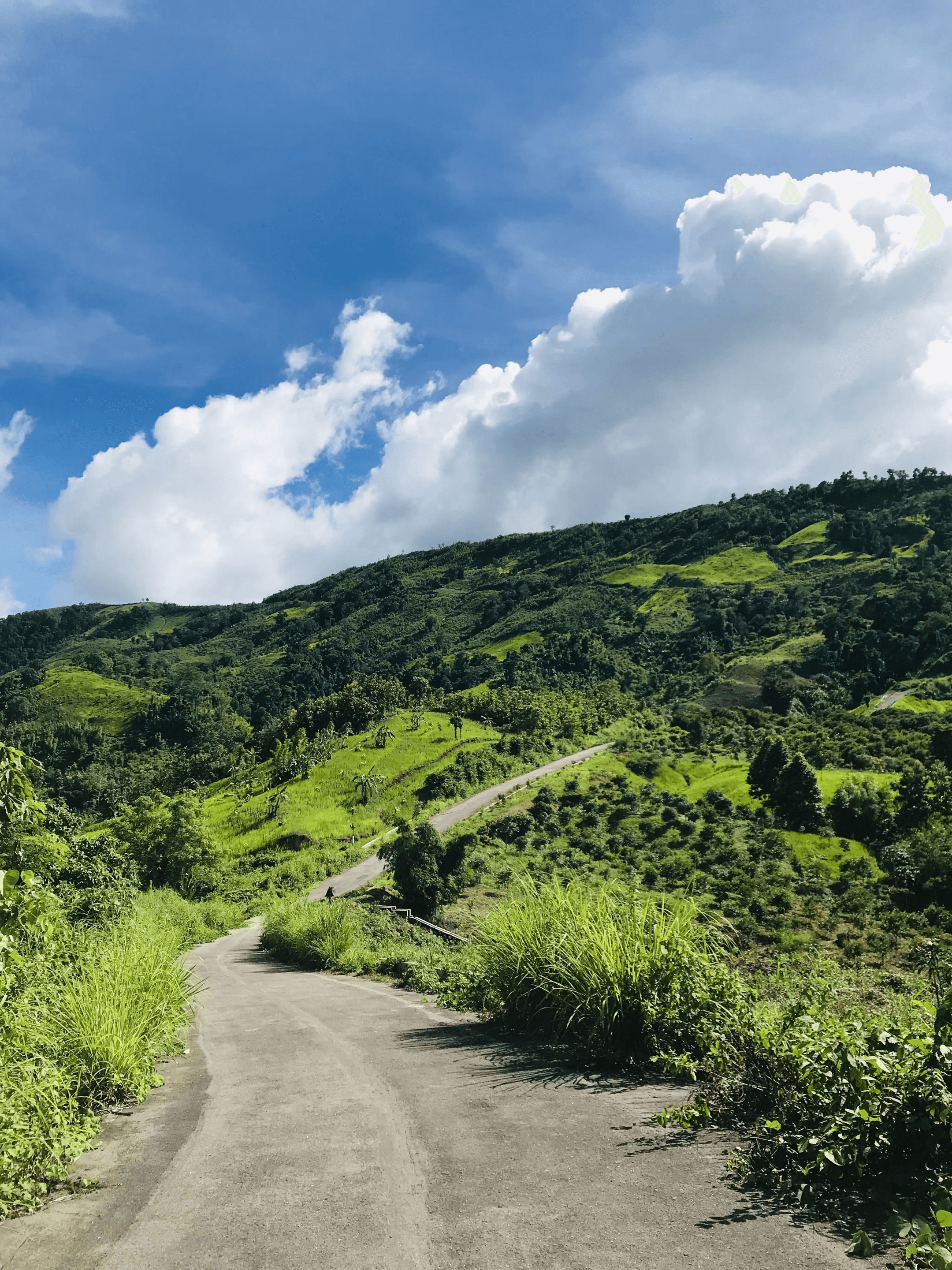
Sajek valley sits at the northern edge of Rangamati district, near the Mizoram state border of India. At around 1,800 ft (550 m) elevation, it sits above the cloud line on many mornings, creating the dramatic cloud-sea views that have made it the most photographed destination in the Chittagong Hill Tracts.
This guide covers everything you need to plan a visit: how to get there, what to expect, where to stay, and how to make the most of the valley's distinctive character across different seasons.
Getting to Sajek
From Dhaka, the standard route is bus or train to Chittagong (4 hours), then bus to Khagrachari (2 hours), then jeep convoy to Sajek (3 hours on a dirt mountain road). The entire journey from Dhaka takes 9–12 hours depending on connections.
The jeep convoy from Khagrachari to Sajek runs at fixed departure times (typically 9:30 am and 2:30 pm from Khagrachari Dighinala) under army escort — a logistical requirement for this border-area route. Missing the convoy means an overnight wait for the next departure.
From Chittagong, some operators offer direct jeep transfers to Sajek that skip the Khagrachari bus. This is faster but more expensive. Book both transport and accommodation well in advance for any trip between November and February.
The Cloud Sea and Viewpoints
The cloud sea at Sajek occurs when low-lying clouds fill the valley below while the Ruiilui Para ridge stands clear above. This effect is most reliable in the early morning, particularly in October, November, and during the transitional monsoon shoulder season.
Ruiilui Para (lower Sajek) and Konglak Para (upper Sajek, about 4 km further along the ridge) have different character. Ruiilui has more resort infrastructure; Konglak is quieter with better panoramic views toward Mizoram. The walk between them takes 1.5–2 hours on the ridge trail.
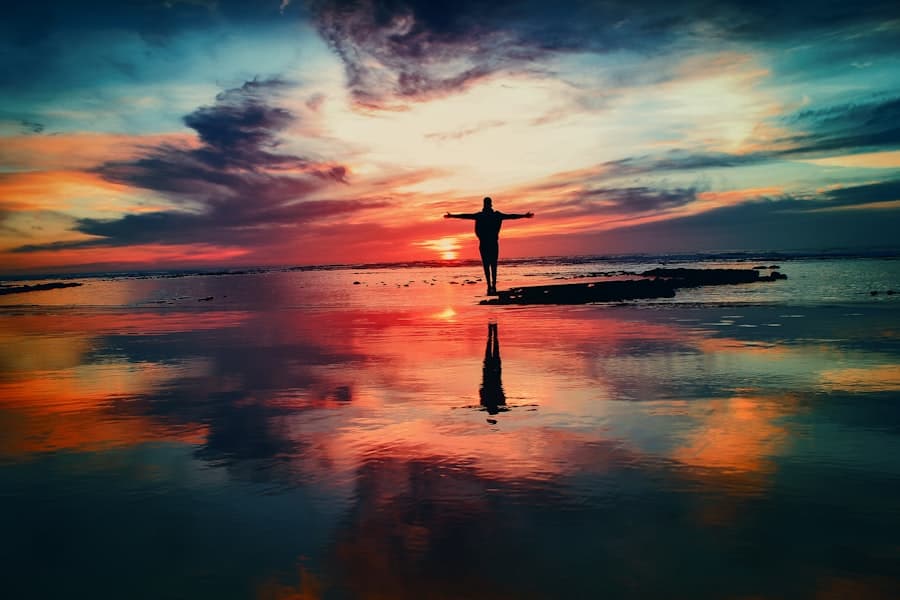
Sunrise from the Konglak Para viewpoint — which on clear mornings presents the entire Sajek ridgeline bathed in golden light above a cloud sea — is legitimately one of the most spectacular natural scenes in Bangladesh.
Where to Stay
Sajek has developed rapidly from a few community guesthouses to a substantial resort economy. Options now range from basic bamboo homestays to well-equipped chalets with private decks and hot water. The better resorts book out weeks in advance for peak season (November–February) and long weekends.
For budget travellers, the community guesthouses in both Ruiilui and Konglak Para are excellent value and provide a more direct connection with the Lushai and Tripura communities that live on the ridge. Meals cooked in these guesthouses — typically rice, lentil, and locally caught fish or chicken — are good and included in the guesthouse rate.
Beyond the Viewpoints
Sajek offers more than ridge views. The trail west from Konglak Para descends through Lushai village settlements with striking traditional bamboo architecture. A sunrise hike followed by a return via these villages, with stops at community tea points, makes a full and rewarding morning.
For serious hikers, routes from Sajek connect to more remote CHT terrain, though these require permits and guide arrangements made in advance at Khagrachari. The Sajek-based hiking community has grown in recent years; your guesthouse owner can connect you with guides who know the area beyond the standard tourist routes.
Share: